In an increasingly globalized world, understanding cultural differences has never been more important. For businesses, educators, travelers, and anyone engaged in international relationships, appreciating the nuances of cultural diversity can lead to richer, more productive interactions. One of the most significant cultural contrasts lies between China and the West, each with its unique values, traditions, and social norms. By exploring these differences, we not only foster better communication but also cultivate mutual respect and cooperation. Here, we delve into why this understanding is crucial and provide six practical examples of cultural differences that highlight its importance.
The Benefits of Understanding Cultural Differences
Cultural awareness facilitates smoother business operations. Companies operating in China and the West can navigate negotiations, partnerships, and collaborations more effectively by recognizing and respecting cultural nuances. Misunderstandings are less likely to occur, and mutual trust can be built more easily. Education and academia also benefit from cultural understanding. Exchange programs, research collaborations, and student interactions become more meaningful when participants appreciate each other’s cultural backgrounds. This can lead to more profound learning experiences and innovative solutions born from diverse perspectives.

Travel becomes richer and more rewarding when cultural differences are respected. Tourists who understand local customs and traditions can experience a deeper connection with their destination, fostering positive interactions with locals and creating lasting memories. On a personal level, intercultural competence enhances social interactions. Friendships and relationships across cultures are strengthened by mutual understanding and respect, leading to more fulfilling connections.
Six Practical Examples of Cultural Differences
- Communication Styles: In China, indirect communication is often preferred. People may avoid saying “no” directly to maintain harmony and save face. In contrast, Western cultures, particularly in the United States, value direct and explicit communication. Understanding this difference can prevent misunderstandings in business and personal interactions.
- Concept of Time: Punctuality in the West is seen as a sign of respect and professionalism. Meetings and appointments are expected to start on time. In China, while punctuality is important, there is often more flexibility. The concept of “Chinese time” can mean that slight delays are acceptable, especially in social contexts. Recognizing this can help manage expectations and reduce frustration.

- Business Etiquette: In China, business relationships are often built on personal relationships, known as “guanxi.” Establishing trust and a strong personal connection can be more critical than the business deal itself. In the West, while relationships are important, there is generally a greater emphasis on contracts and formal agreements. Appreciating this can enhance business negotiations and partnerships.
- Family Values: Chinese culture places a high value on family loyalty and respect for elders. Decisions often consider the well-being of the family unit over individual preferences. In Western cultures, individualism is more prominent, and personal autonomy is highly valued. Understanding these values can improve interactions and relationships across cultures.
- Educational Approaches: Chinese education often emphasizes rote learning and mastery of subjects through repetition and discipline. Respect for teachers and authority figures is paramount. Western education systems, particularly in Europe and North America, often encourage critical thinking, creativity, and questioning of authority. Recognizing these differences can enhance educational exchanges and collaborations.
- Social Hierarchies: In China, hierarchical structures are deeply ingrained in society. Respect for authority and seniority is a key component of social interactions. In the West, while hierarchy exists, there is often a greater emphasis on equality and informality. Understanding these social dynamics can aid in smoother social and professional interactions.
Understanding cultural differences between China and the West is not just about avoiding faux pas; it’s about enriching our interactions and broadening our perspectives. By appreciating and respecting these differences, we can foster more meaningful connections, whether in business, education, travel, or personal relationships. As our world becomes more interconnected, the importance of cultural competence cannot be overstated. Embracing diversity leads to innovation, mutual respect, and a more harmonious global community.
Recommended Reading:
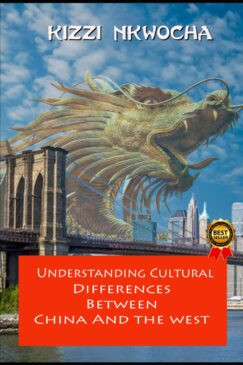 In a rapidly evolving global landscape, where East meets West, cultural understanding has become the key to unlocking unparalleled opportunities. In Understanding Cultural Differences Between China and The West, English language tutor and personal development coach, Kizzi Nkwocha, takes you on a transformative journey into the heart of cultural disparities, offering thought provoking insights that go beyond stereotypes, bridging the gap between two mighty civilizations.
As the creator of Business Game Changer Magazine, Nkwocha draws on his wealth of experience to explore the profound impact cultural nuances can have on interpersonal relationships, business negotiations, and global collaborations. This authoritative guide unveils the hidden treasures of China’s rich cultural tapestry and the nuanced dynamics that distinguish it from the West. With a blend of scholarship and practical wisdom, Nkwocha empowers readers to navigate the intricacies of cross-cultural communication with finesse and grace.
Discover the keys to successful cross-cultural interactions and tap into a reservoir of opportunities waiting to be explored. Understanding Cultural Differences Between China and The West goes beyond the academic, offering practical strategies for thriving in the global arena. From decoding communication styles to deciphering business etiquette, Nkwocha provides actionable insights that will revolutionize the way you engage with Chinese counterparts.