Twenty-five years. A single generation. The distance between now and 2050 may seem both impossibly far and startlingly close. For perspective, twenty-five years ago, in 2000, we were just beginning to understand the potential of the internet, smartphones didn’t exist, and artificial intelligence was largely confined to science fiction. Today, these technologies have fundamentally restructured civilization. So what transformations await us by mid-century?
The AI-Augmented Workplace
By 2050, the relationship between humans and artificial intelligence will have matured into something far more sophisticated than today’s nascent partnerships. Rather than replacing human workers wholesale, AI will function as an omnipresent cognitive layer that enhances human creativity, decision-making, and productivity.
Imagine walking into your office where an AI assistant has already analyzed overnight developments in your industry, identified emerging opportunities aligned with your strategic goals, and prepared personalized briefings for each team member. This isn’t surveillance—it’s symbiosis. Knowledge workers will spend less time on information gathering and more time on what humans do best: asking profound questions, building relationships, and making ethically complex decisions.
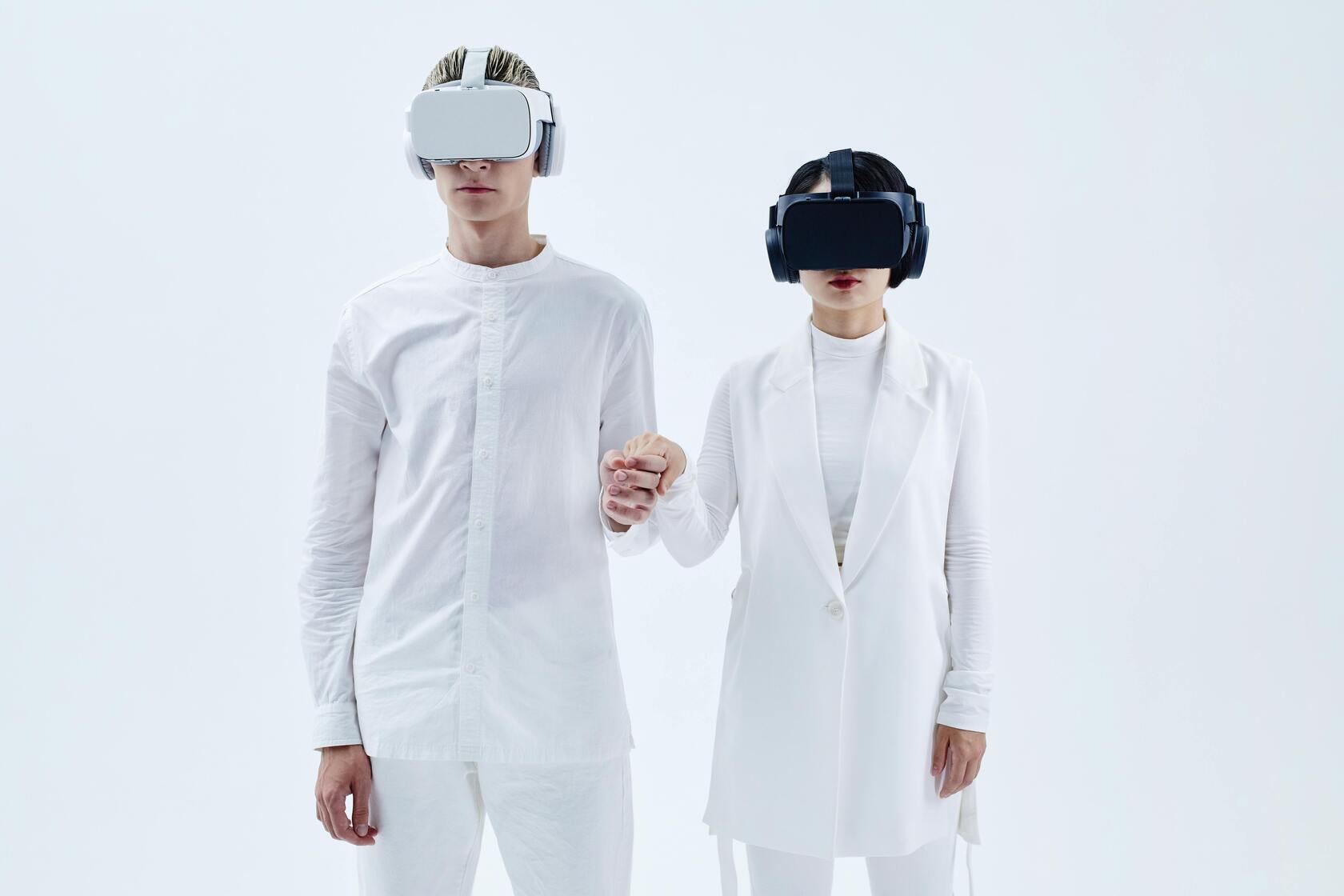
The very concept of “going to work” will have evolved dramatically. Virtual and augmented reality technologies will have eliminated the distinction between remote and in-person collaboration. Holographic colleagues will sit across conference tables from physical attendees, indistinguishable in their ability to contribute. The environmental and social benefits will be substantial, as commuting becomes optional rather than obligatory.
Healthcare’s Predictive Revolution
Perhaps nowhere will technology’s impact be more profound than in healthcare. By 2050, medicine will have shifted from reactive to predictive, from treatment to prevention. Continuous monitoring through biocompatible sensors—some implanted, others woven into fabrics or embedded in contact lenses—will track thousands of biological markers in real-time.
Your body’s digital twin, a constantly updated virtual model running on quantum computers, will simulate how you’ll respond to different treatments, diets, or lifestyle changes before you implement them in reality. Diseases like cancer will be detected at the single-cell level, caught years before they could become life-threatening. Personalized medicine will mean that every prescription is optimized for your unique genetic makeup, microbiome, and environmental factors.
The pharmaceutical industry will be transformed by AI-driven drug discovery that can design and test millions of molecular combinations in simulated environments, compressing development timelines from decades to months. Gene therapies will address conditions at their source, potentially eliminating hereditary diseases within a generation.
Energy and Climate: Engineering Our Survival
The climate crisis that defines our current moment will have reached a critical juncture by 2050. Technology will be both the cause of our environmental challenges and, hopefully, a significant part of the solution.
Fusion energy, the holy grail of power generation that has remained perpetually “thirty years away,” may finally achieve commercial viability. If successful, fusion would provide virtually limitless clean energy, fundamentally altering geopolitics by eliminating the strategic importance of fossil fuel reserves. Solar and wind technologies, already economically competitive, will have achieved such efficiency and storage capacity that renewable energy constitutes the majority of global power generation.
Carbon capture technology will have scaled from experimental to essential, with massive installations pulling greenhouse gases from the atmosphere and converting them into useful materials. Artificial photosynthesis may allow us to produce fuel and chemicals using only sunlight, water, and captured CO2. Meanwhile, advances in materials science will yield construction materials that actively absorb carbon, turning every building into a climate solution.
Agriculture will have moved increasingly indoors and upward, with vertical farms in urban centers producing yields per acre that would astonish today’s farmers. Precision agriculture, guided by AI and drone surveillance, will optimize every input—water, nutrients, pesticides—reducing waste and environmental impact while feeding a global population approaching ten billion.
Transportation: The Autonomous Revolution Matures
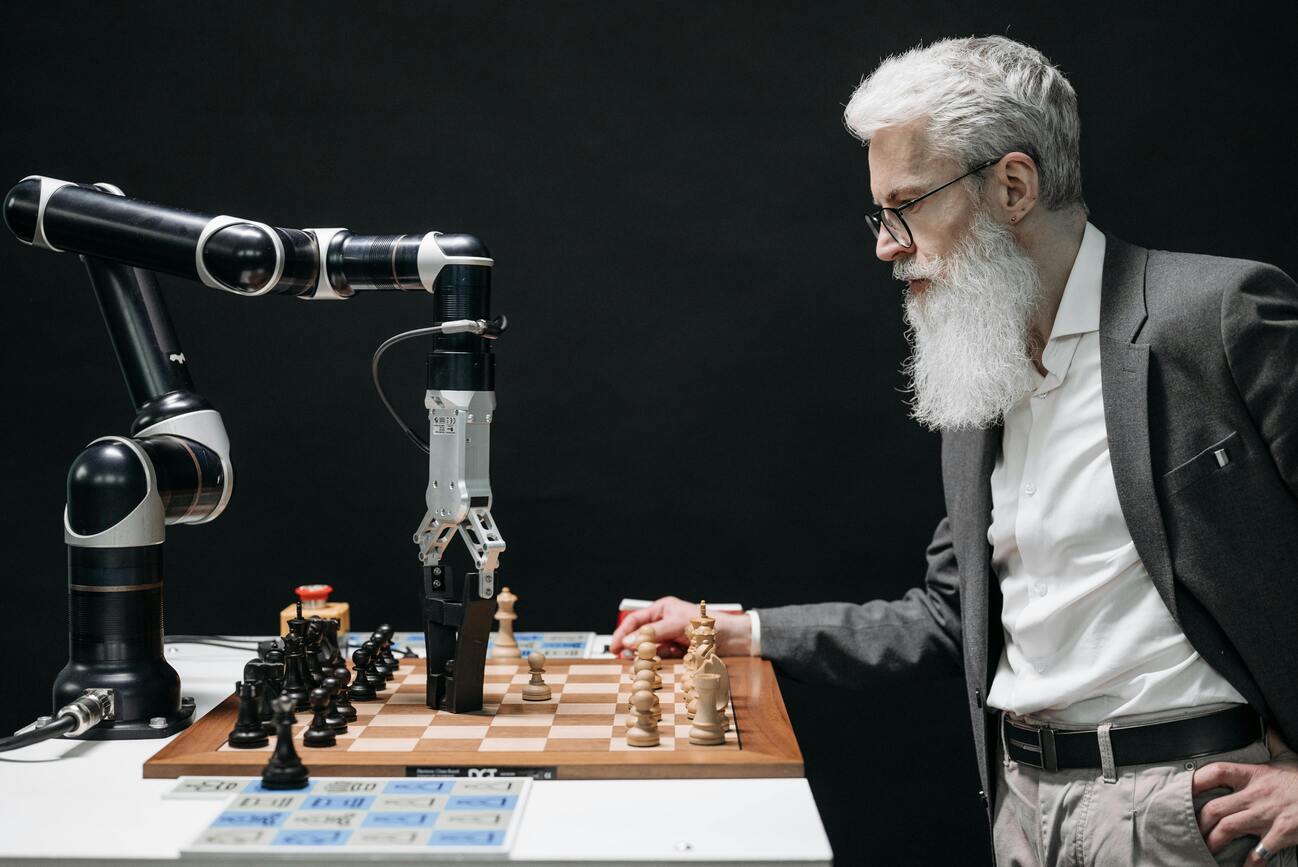
By 2050, the transportation sector will be unrecognizable. Autonomous vehicles won’t be a novelty but the norm, having proven themselves safer and more efficient than human drivers. Personal car ownership in urban areas will have declined dramatically as mobility-as-a-service platforms provide on-demand access to a diverse fleet of vehicles suited to specific journey types.
Cities will have reclaimed vast amounts of space previously devoted to parking, transforming these areas into parks, housing, and community spaces. Traffic congestion will be largely eliminated through AI-coordinated vehicle movements that optimize flow in real-time. The environmental benefits will be substantial, as electric autonomous vehicles reduce both emissions and the total number of vehicles needed.
Aviation will have undergone its own transformation. Electric aircraft for short and medium-haul flights will have significantly reduced the carbon footprint of air travel. Hypersonic travel may connect distant continents in hours rather than a full day, though questions about environmental impact and accessibility will persist.
Education Reimagined
The education sector will have evolved from its industrial-age model to something fluid, personalized, and lifelong. AI tutors will provide individualized instruction that adapts in real-time to each student’s learning style, pace, and interests. This doesn’t eliminate human teachers but elevates their role from information delivery to mentorship, inspiration, and emotional support.
Virtual and augmented reality will transform abstract concepts into immersive experiences. History students will walk through ancient Rome. Biology students will journey through the bloodstream. Engineering students will build and test designs in realistic simulated environments where failure is educational rather than expensive.
The boundary between education and career will blur. Continuous learning will be integrated into professional life, with AI systems identifying skill gaps and recommending just-in-time training. Academic credentials will increasingly share space with verified skill demonstrations and portfolio-based assessment.
The Metaverse: Digital Spaces, Real Consequences
By 2050, digital and physical reality will be thoroughly interwoven. The metaverse—currently a collection of disconnected virtual spaces—will have matured into a coherent digital realm where people work, socialize, create, and commerce flows freely.
Augmented reality, delivered through contact lenses or even neural interfaces, will overlay digital information seamlessly onto the physical world. You’ll see real-time translations of foreign signage, navigation arrows appearing on actual streets, or information about buildings and landmarks simply by looking at them. The digital and physical won’t be separate realms but different aspects of a unified reality.
This raises profound questions about identity, privacy, and authenticity that 2050’s society will still be grappling with. When we can customize our appearance in digital spaces, what does that mean for self-expression and prejudice? When vast portions of economic activity occur in virtual environments, how do we ensure fair access and regulate these spaces?
Biotechnology: Rewriting the Code of Life
The biotechnology revolution, accelerating rapidly in the 2020s and 2030s, will reach maturity by 2050. CRISPR and its successor technologies will have become routine tools for addressing genetic diseases, but the technology’s possibilities extend far beyond medicine.
Synthetic biology will allow us to design organisms with specific purposes: bacteria that produce sustainable materials, organisms that clean up environmental contamination, or even biological computers that process information using engineered cells. The line between technology and biology will blur as we build hybrid systems combining silicon and cellular components.
Life extension research, controversial but persistent, may have yielded significant breakthroughs. While immortality will remain in the realm of fantasy, extending healthy lifespan—not merely longevity but vitality—could become reality for some. This raises ethical questions about equity, resource distribution, and the very meaning of a human life that may span multiple careers and relationships.
The Workforce Transformed
The nature of work itself will have evolved dramatically by 2050. Many jobs will have been automated, particularly those involving routine cognitive or physical tasks. However, history suggests that technology creates as many jobs as it eliminates, though often in entirely new categories difficult to predict from our current vantage point.
The gig economy, nascent today, may have evolved into the dominant employment model, with most workers maintaining diverse income streams rather than traditional full-time positions. This offers flexibility and autonomy but also raises questions about security, benefits, and workers’ rights that 2050’s society will have had to address.
Universal basic income or similar programs may have been implemented in many nations as a response to technological unemployment and as recognition that human value extends beyond economic productivity. This could unleash unprecedented creativity and entrepreneurship as people pursue projects and innovations without the immediate pressure of survival.
Challenges and Uncertainties
This vision of 2050 is optimistic but not naïve. Technology’s trajectory isn’t predetermined, and many challenges could derail or delay these developments.
Cybersecurity threats will have grown exponentially as more of civilization’s critical infrastructure becomes networked. Quantum computing, while enabling breakthroughs in medicine and materials science, will also threaten current encryption methods, requiring entirely new approaches to digital security.
Inequality could be exacerbated if technological benefits flow primarily to those already privileged. Without conscious intervention, we could see a bifurcated world where some enjoy augmented lifespans and AI-enhanced capabilities while others lack access to basic technologies.
Environmental tipping points could be crossed despite our best efforts. Technology offers tools for addressing climate change, but implementation requires political will and international cooperation that can’t be assumed.
Geopolitical tensions over technology access, data sovereignty, and AI capabilities could lead to fragmentation rather than the integrated global society that technology potentially enables.
The Human Element
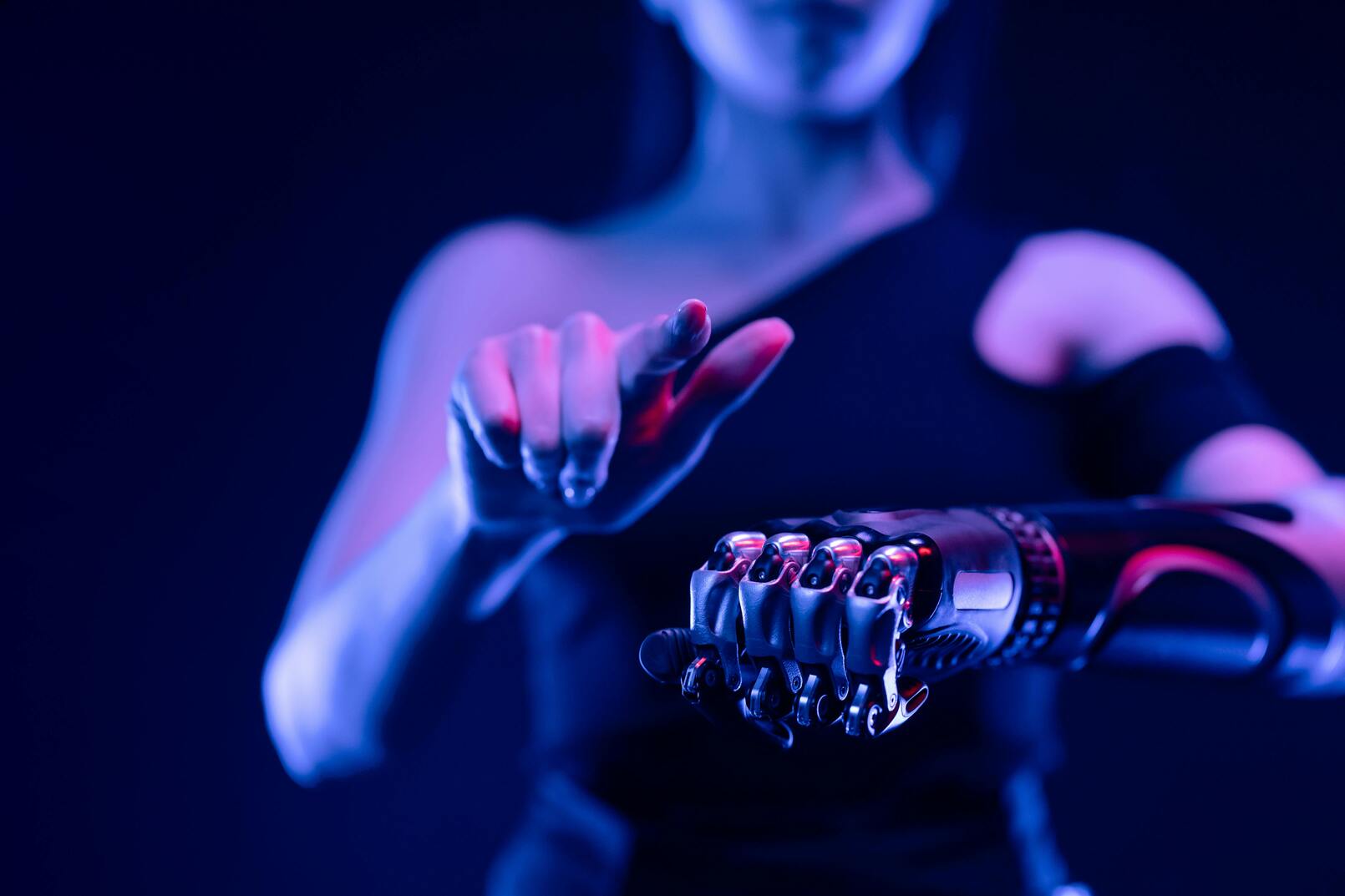
Amid all this technological transformation, perhaps the most important question is what remains distinctly human. By 2050, we’ll likely have a clearer understanding of consciousness, emotion, and creativity, but these qualities will likely remain our defining characteristics.
The ability to find meaning, to connect emotionally with others, to create art that moves the soul, to ask “why” rather than merely “how”—these capacities will still distinguish human intelligence from even the most sophisticated AI. Technology will augment these abilities but not replace them.
Communities, relationships, and the search for purpose will remain central to human experience. The wise societies of 2050 will be those that harness technology in service of human flourishing rather than allowing technological capability to become an end in itself.
Conclusion: Creating the Future
The future isn’t predicted—it’s created. The technologies and transformations discussed here represent possibilities, not inevitabilities. The choices we make in the coming years about how to develop, deploy, and govern emerging technologies will determine whether 2050 looks like a techno-utopia, a dystopia, or something in between.
Business leaders, policymakers, technologists, and citizens all have roles to play in shaping tomorrow. The conversation about our future shouldn’t be left to futurists and science fiction writers, as entertaining as our speculations might be. It requires the grounded expertise of people working in every industry, every discipline, every corner of society.
What’s certain is that 2050 will be as different from 2025 as our world is from 2000. The pace of change is accelerating, not slowing. The question isn’t whether transformation is coming but how we prepare for it, guide it, and ensure it serves humanity’s highest aspirations.
As we stand on the precipice of this future, we should feel not fear but responsibility. We’re the architects of 2050, whether we embrace that role or not. The future is calling—how will we answer?
Join the Conversation
Business Game Changer Magazine is producing a comprehensive book titled “Our World in 2050” that will explore how different industries, sectors, professions, and art forms will evolve over the next twenty-five years.
We’re seeking contributors who can bring expertise, insight, and vision to this project. Whether you work in healthcare, education, manufacturing, creative arts, finance, agriculture, or any other field, we want to hear your perspective on how your domain will transform by mid-century.
If you’re interested in writing a chapter exploring how your industry, sector, profession, or art form will change by 2050, please contact us at wearegamechangers@outlook.com. Together, we can create a comprehensive, multifaceted vision of the future that draws on diverse expertise and perspectives.
The future is a collective creation. We’d be honored to have you help write it.