
In the dynamic realm of business, scheduling meetings plays a pivotal role in forging connections and fostering professional relationships. However, an all-too-common approach of asking someone to check your diary and slot themselves into an available time can inadvertently convey a distorted sense of self-importance. It’s time to reassess this practice, recognizing that every person you do business with should be treated as though they are important. Today, we delve into why such requests create a negative impression and offer invaluable advice on how to arrange meetings gracefully, fostering positive connections from the start.
Requesting someone to check your online diary and find an open slot carries an implicit assumption that your time takes precedence over theirs. This approach can inadvertently project a misguided sense of superiority, undermining the foundations of a healthy professional relationship. It fails to consider the recipient’s existing commitments and preferences, creating an impression that your time is more valuable than theirs.
To gain perspective, consider the following scenario: if someone you regarded as important approached you for a meeting, would you expect them to check your diary and fit themselves into an available slot? Chances are, such an expectation would appear presumptuous and disrespectful. The same principle applies when reaching out to others – every person you engage with in the business realm deserves to be treated as important and deserving of respect.
So, how can businesspeople ensure they create a positive first impression and foster a sense of equality when arranging meetings? The key lies in demonstrating respect, consideration, and a genuine desire to collaborate.
Begin by investing time in crafting a well-crafted, personalized request. Show sincere interest in the person and their work, highlighting specific reasons why meeting with them would be valuable. By tailoring your approach, you demonstrate thoughtfulness and indicate that the proposed meeting is not just a generic, one-size-fits-all request sent to countless individuals.
When suggesting a meeting, offer a range of possible dates and times that accommodate the recipient’s schedule as much as possible. Acknowledge their existing commitments and provide flexibility to find a mutually agreeable time slot. This approach conveys respect for their time and obligations, fostering a sense of collaboration and equality.
To further enhance the impression you create, take the initiative to handle the logistics of the meeting. Propose a location or suggest alternative options, considering the convenience of the recipient. By assuming responsibility for organizing the details, you exhibit professionalism and a genuine desire to make the process as seamless and comfortable as possible.
Lastly, ensure your initial request is concise, clear, and professional. Avoid using overly casual or vague language that may inadvertently convey a sense of superiority. Maintain a polite tone and ensure your request is free of typos or errors, signaling attention to detail and a high level of professionalism.
In the competitive world of business relationships, the first impression carries significant weight. By refraining from asking someone to check their diary and slot themselves into an available time, businesspeople can cultivate an environment of respect and equality. Taking the time to craft thoughtful requests, offering flexible scheduling options, and assuming responsibility for logistical details lay the groundwork for a productive and mutually beneficial professional connection.
Recommended Reading:
The Game Changers Handbook
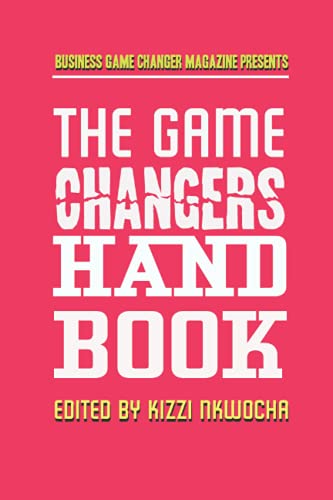 The bible for every SME. Written by some of industry’s most knowledgeable thought-leaders, The Game Changers Handbook is produced in an informative, conversational style with valuable, insightful advice and case studies taken from real business people running real businesses The Game Changers Handbook is packed full of valuable insights and advice that tackle some of the most common (and often not so common) problems associated with running your own show, whether you’re working alone from home or running a business with employees.
This is the book you can’t afford to miss if you’re already running your own company or plan to in the near future. The Game Changers Handbook is edited by Business Game Changer Magazine editor Kizzi Nkwocha.